When or Whether to Hang Up your Shoes
Together with your framed photos of highlights of the Journey. and call it a day.
It must be a question that haunts many true Pilgrims as they contemplate leaving the Road with its unique challenges and return to the World they left, and it most certainly haunted me across a long post Pilgrimage period characterised by an iterative process of to-ing and fro-ing charted in Continuing In the Spirit here. But my early experiences of being ‘back’ all support the view that you can never ever really return after such a journey. All that has changed is the physical context of your life. The ‘Road’ continues, be it through urban spaces rather than the conventionally ‘wild’. I have also met with people whose lives from outward appearances might seem to conform to that of the Pilgrim, but who are in fact more ‘on the run’ from the world and the personal circumstances of their lives relevant to their experience of it.
When I left the UK for India in 2019, I left with the belief and intent that I would never return, that my heeding the call would be like a death, so the process of recognising that my Pilgrimage – at least the outward stages of it – had come to an end was hard to come to terms with, and in the end took a good three years for me to work through, as described in previous post and first in this new series Continuing In the Spirit.
“I felt absolutely called to give myself completely, outwardly expressed by giving up all that had counted as my life to then, both in terms of personal identity, career/occupation, as well as personal possessions. When I went to India, I went with the deep seated conviction and certainly the preparedness never to return; effectively to die out there”. Pilgrimage to India.
The Lure of the Ashram
Through the course of the first two year period ‘out’, I met with many people who had subscribed to one of two basic interpretations of the spiritual journey. There were the many western ‘seekers’ who had gone to India to become part of some guru-led ashram based operation, who wore the clothes, chanted the chants, ate the food and had effectively consigned their lives and sense of who they were away to follow a cause that promised them an easy fast track route to Enlightenment and who were almost always young, or at least in the earlier parts of their lives. Then there were the many authentic Indigenous sadhus of many specie who had subscribed to the traditional Eastern theological understanding of the life of the Pilgrim, in renouncing the world and living a life of simple mendicancy. In India and Nepal these were generally from the Shaivite orders, although Jain, Buddhist and other denominations are also well represented.
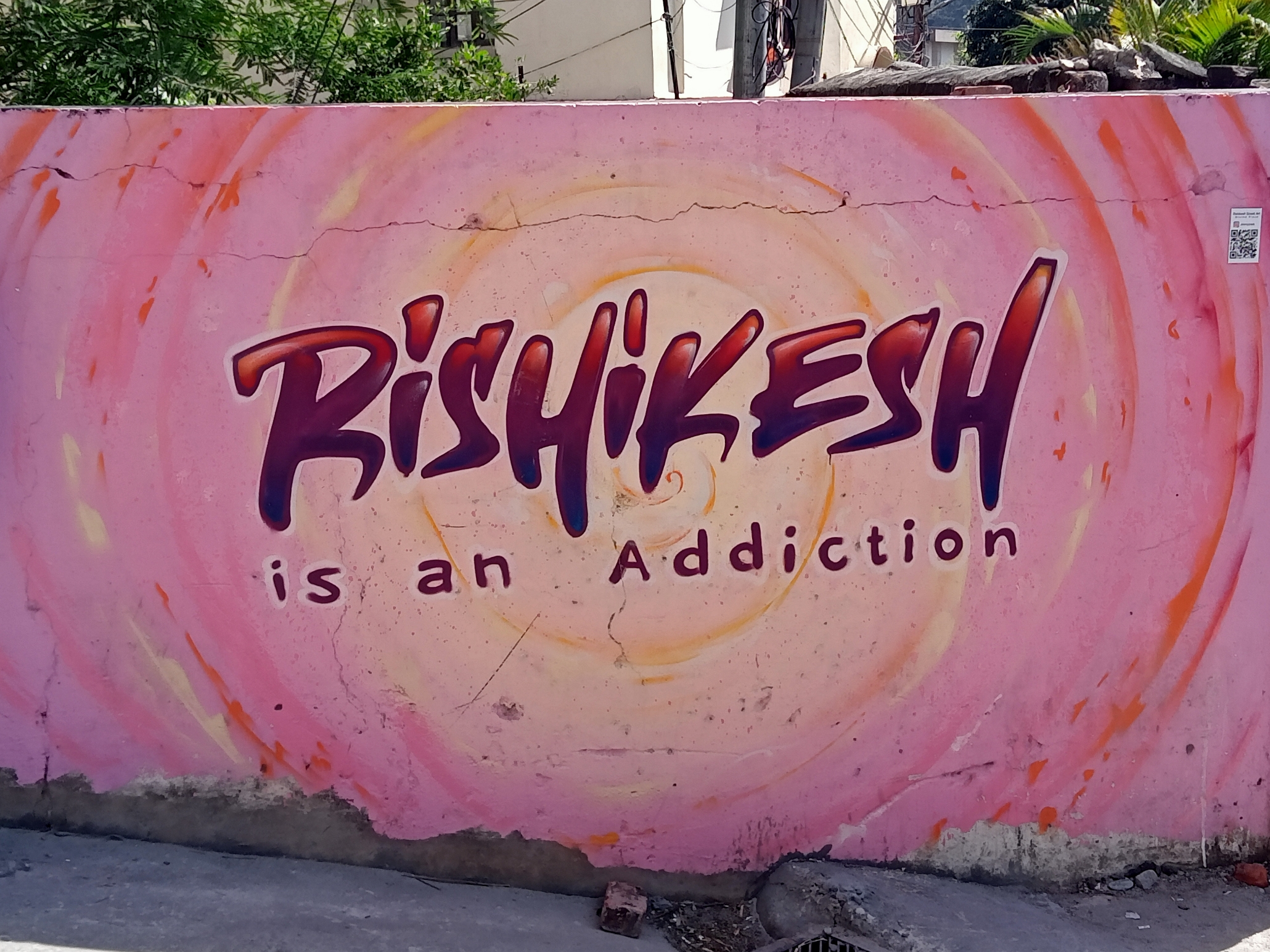
The problem with renouncing the world as we know it ‘forever’ lies in the deeper truth that we have conquered nothing, only removed ourselves from its influence and temptation. For example, someone who has been an alcoholic can only ever know if they are free from addiction if they are able to live in a world of booze and bars and feel no urge to participate. At the several stages of my long drawn out return to the world – hard resisted as it was – I frequently found myself lamenting the harsh reality of how difficult if nigh on impossible it was to endeavour to pick up with life back in the world, if only because of the need to interact with it in the form of its systems, culture and society which still continued programmed to think and operate in the way they did, including erstwhile friends and relatives. Rather in the way that monastic establishments would have a lay order that acted as an interface between the life of the community itself and the world outside, you have to keep a part of yourself that acts for your inner self/Self and conveys the expectations and practices, beliefs and prejudices of that outside world in a form comprehensible to each side of that divide, like a kind of placental connection.
Renunciation
Taking time out away from that world, from the erstwhile order of life as you’ve experienced it is, as oft stated here, one of the main purposes of Pilgrimage, to allow different perspectives to emerge, in that different hall of mirrors as I have called it (see More About: The Value of Pilgrimage). The value of committing yourself to total renunciation in giving up all that has constituted your life puts you in a different league altogether however, as you see universal truths, and orders of reality that are normally beyond our conditioned capacity to see except outside of the world of mundane reality with its conceptual underpinnings and ‘worldly wisdoms’. It is as stated by the Inuit shaman:
“The only true wisdom lives far from mankind, out in the great loneliness, and it can only be reached through suffering. Privation and suffering alone can open the mind of man to all that is hidden to others”―
any journey way outside of your personal comfort zones and conditioned expectations of how life should be. And, too, in returning to the world one returns with those same insights and wisdoms gained through the journey that can then be used to benefit others, Bodhisattva style perhaps. The Swiss psychiatrist Carl G. Jung spoke of this in his conviction that the life journey of Individuation would always require that the person who underwent it eventually returned to the world with the gifts of insight and wisdom they gained in their time out of it.

So although to spend time within the safe walls of an ashram or a monastery might be a part of that opportunity to let go of your former life and the personality that went with it, you do not necessarily want to become a clone of the same and spend your life walled up there, like an anchorite.
So, when do you hang up your Pilgrim’s shoes? I suspect you never do, even if you do find yourself exchanging your worn out loafers for more well heeled smarter worldly versions!

See also The Power of Pilgrimage
Featured Image: by Nam Quân Nguyễn: https://www.pexels.com/photo/potted-plant-and-old-shoes-on-the-table-in-the-garden-18023706/
1. Courtesy Sahdev Rana
2. Old Boots: Photo by Maxim Hopman on Unsplash
3. Smart boots: Photo by Alex Quezada on Unsplash